perlite agriculture
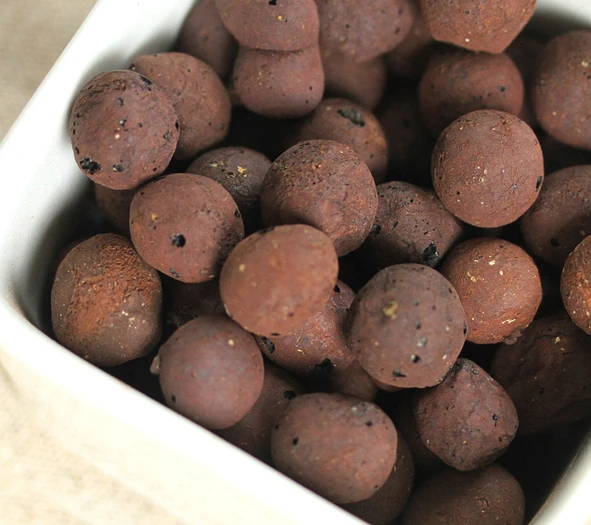
Driving Innovation in Soilless Cultivation: Industry Trends The global agriculture sector is undergoing a profound transformation, driven by demands for sustainable practices, increased yield efficiency, and reduced environmental impact. Within this shift, hydroponics has emerged as a critical technology, offering solutions for controlled-environment agriculture, urban farming, and regions with limited arable land or water resources. Central to the efficacy of many hydroponic systems is the selection of an optimal growing medium. This article delves into the technical specifications, applications, and advantages of Agriculture Hydroponics LECA Clay Pebbles , a highly engineered substrate designed to meet the rigorous demands of modern soilless cultivation. Current industry trends indicate a growing adoption of inert, reusable growing media that offer superior aeration, drainage, and pH stability. As commercial hydroponic farms scale up and domestic hydroponic setups proliferate, the consistency and performance of substrates like expanded clay aggregates become paramount. These trends underscore the necessity for advanced materials that can support robust root development, optimize nutrient delivery, and ultimately enhance crop quality and yield. The market is increasingly prioritizing substrates that are lightweight, durable, and environmentally inert, avoiding the introduction of pathogens or unwanted chemical compounds into delicate hydroponic ecosystems. Agriculture Hydroponics LECA Clay Pebbles directly addresses these requirements, providing a foundation for healthy plant growth across a diverse range of hydroponic and aquaponic applications. Manufacturing Process Flow of LECA Clay Pebbles The production of Agriculture Hydroponics LECA Clay Pebbles involves a meticulously controlled process to ensure consistent quality and optimal physical properties essential for high-performance hydroponic systems. The manufacturing journey transforms raw clay into a highly porous, lightweight aggregate through several key stages: Raw Material Sourcing and Preparation: High-quality, plastic clay, typically rich in silica and alumina, is carefully selected. This clay is free from organic impurities and harmful heavy metals. It undergoes initial crushing and grinding to achieve a uniform particle size, followed by mixing with water to form a consistent, plastic mass. This meticulous material selection ensures the end product's inertness and safety for sensitive plant roots. Pelletization: The prepared clay mixture is fed into a pelletizing machine, which forms small, spherical or irregularly shaped pellets. The size of these green pellets is critical as it dictates the final expanded pebble dimensions. Drying: The green pellets are then transferred to a dryer, where moisture content is carefully reduced. This stage prevents thermal shock and ensures uniform expansion during the subsequent firing process. Rotary Kiln Expansion (Firing): This is the most crucial step. The dried pellets are fed into large, continuously rotating kilns, where they are heated rapidly to temperatures ranging from 1100°C to 1300°C. At these extreme temperatures, gases (such as CO2 and SO2) trapped within the clay matrix expand, causing the pellets to bloat and form a porous, cellular internal structure while the outer surface vitrifies, forming a hard, durable shell. The precise control of temperature, residence time, and kiln rotation speed is vital for achieving the desired density, porosity, and strength. Cooling: The hot expanded pebbles are rapidly cooled, often using air or water, to stabilize their structure and prevent further expansion or cracking. Screening and Sizing: The cooled LECA pebbles are then passed through a series of screens to sort them into specific size ranges (e.g., 8-16mm, 4-8mm). This ensures product consistency and suitability for various hydroponic system designs. Quality Control and Packaging: Throughout the process, strict quality control measures are implemented. Samples are regularly tested for bulk density, pH stability, water absorption, compressive strength, and absence of contaminants. Products conform to international testing standards such as ISO 9001 for quality management and relevant ANSI standards for material properties where applicable. The service life of Agriculture Hydroponics LECA Clay Pebbles is exceptionally long, often extending for many years or even decades in hydroponic systems due to its inert and durable nature. This makes it a highly sustainable and cost-effective choice for target industries including commercial hydroponics, aquaponics, vertical farming, greenhouse cultivation, and even general horticulture and landscaping. In typical application scenarios, these pebbles demonstrate significant advantages, such as optimizing nutrient uptake efficiency, which can lead to energy savings in associated environmental control systems, and their inherent inertness guarantees superior corrosion resistance for system components compared to organic media. Technical Specifications and Performance Data Understanding the precise technical parameters of Agriculture Hydroponics LECA Clay Pebbles is crucial for system designers and growers seeking to optimize plant growth and system performance. The following table provides key specifications that highlight the product's advanced characteristics, derived from extensive research and quality assurance processes. Product Specification Table: Agriculture Hydroponics LECA Clay Pebbles Parameter Typical Value/Range Significance for Hydroponics Material Composition Expanded Clay Aggregate (Silica, Alumina, Iron Oxide) Ensures inertness, preventing nutrient lock-up or release of harmful chemicals. Particle Size Distribution 8-16 mm (primary), 4-8 mm (secondary) Optimizes aeration and drainage for various system types; customizable. Bulk Density (dry) 280-350 kg/m³ Lightweight, reducing structural load in large-scale installations. Water Absorption Capacity (by volume) Approx. 20-30% Excellent water retention, reducing irrigation frequency and waste. pH Value (initial rinse) 6.0-7.0 (neutral) Stable pH, minimizing need for frequent nutrient solution adjustments. Pore Volume (total) >80% Ensures superior root zone aeration, critical for preventing anaerobic conditions. Compressive Strength (single particle) ~1.5-2.5 N/mm² Durable, resisting degradation and maintaining structure over time. Thermal Conductivity 0.08-0.12 W/mK Provides insulation, helping to buffer root zone temperature fluctuations. Chemical Inertness Completely inert, non-toxic, sterile Prevents chemical reactions with nutrients or plant roots; eliminates pest/disease vectors from media. These specifications are carefully controlled during the manufacturing process, ensuring that each batch of Agriculture Hydroponics LECA Clay Pebbles consistently meets the high standards required for professional horticultural applications. Our commitment to quality is reinforced by adherence to ISO 9001 certification, demonstrating a robust quality management system in every stage of production. Application Scenarios and Technical Advantages The versatility and robust properties of Agriculture Hydroponics LECA Clay Pebbles make them an ideal substrate for a wide array of soilless cultivation techniques. Their distinct physical and chemical characteristics offer significant technical advantages that translate into improved crop health, enhanced yields, and operational efficiencies across various applications. Key Application Scenarios: Deep Water Culture (DWC) & Kratky Method: Provides stable support for plant collars and excellent aeration for submerged root systems, preventing root rot. Ebb and Flow (Flood and Drain) Systems: The rapid drainage and excellent air-holding capacity of LECA pebbles ensure optimal root oxygenation between flood cycles, crucial for preventing waterlogging. Drip & Top-Feed Systems: Offers a stable, porous medium for consistent nutrient delivery and efficient drainage, suitable for larger plants or those requiring precise feeding. Aquaponics: Functions as an ideal biofilter and growing medium, providing ample surface area for beneficial nitrifying bacteria while supporting plant roots in integrated fish and plant systems. Seed Starting & Propagation: Its sterile and inert nature makes it excellent for germinating seeds and rooting cuttings, reducing the risk of damping-off and other soil-borne diseases. Decorative Hydroponics & Houseplants: Aesthetically pleasing and clean, it prevents soil pests and simplifies indoor plant care. Technical Advantages: Optimal Aeration and Drainage: The highly porous, spherical structure of LECA ensures an ideal air-to-water ratio in the root zone. This superior aeration prevents oxygen deprivation, a common issue in dense substrates, and promotes robust root growth. Simultaneously, it allows for efficient drainage, preventing waterlogging. Excellent Water Retention: Despite its excellent drainage, the internal pore structure of LECA pebbles allows them to absorb and slowly release water, acting as a buffer against brief irrigation interruptions and maintaining consistent moisture levels for roots. pH Neutrality and Stability: Our LECA pebbles are manufactured to be pH neutral (6.0-7.0) and remain chemically inert. This stability minimizes the fluctuations in nutrient solution pH, simplifying nutrient management and ensuring consistent nutrient availability to plants. Reusable and Durable: Being a fired ceramic product, LECA pebbles do not decompose. They can be sterilized and reused for multiple crop cycles, significantly reducing material waste and operational costs. Their high compressive strength ensures structural integrity over long periods. Sterile and Pest-Resistant: The high-temperature firing process renders LECA completely sterile, free from weed seeds, pathogens, insects, and fungi typically found in soil or organic substrates. This drastically reduces the incidence of plant diseases and pest infestations. Eco-friendly and Sustainable: Made from natural clay, our LECA is an environmentally responsible choice. Its reusability and inert composition minimize its ecological footprint, aligning with sustainable agriculture goals. These combined advantages position Agriculture Hydroponics LECA Clay Pebbles as a premier choice for B2B stakeholders in the hydroponics industry, enabling more efficient, reliable, and productive cultivation systems. Vendor Comparison and Market Differentiation In a competitive market, selecting the right supplier for critical components like growing media is paramount for commercial hydroponic operations. While various expanded clay aggregates exist, not all are created equal. KeHui's Agriculture Hydroponics LECA Clay Pebbles differentiate themselves through superior manufacturing control, consistent quality, and a commitment to specific horticultural needs. The following comparison highlights key factors to consider when evaluating LECA suppliers: LECA Vendor Comparison Table Feature/Criterion KeHui LECA Pebbles Typical Market Alternatives Raw Material Quality Premium, low-impurity clay; certified sourcing. Variable, potentially higher impurities. Particle Uniformity & Shape Highly consistent spherical to sub-spherical shape, precise size grading (8-16mm, 4-8mm). Often irregular shapes, broader size distribution, more fines. Dust Content & Fines Extremely low dust, minimal fines through rigorous screening. Higher dust levels, requiring extensive pre-rinsing. pH Stability & Inertness Neutral (6.0-7.0) and highly stable; no nutrient interaction. Can have initial high pH, requiring more conditioning. Internal Porosity & Water Retention Optimized internal structure for balanced water/air. Variable, sometimes too dense or too fragile. Certifications & Standards ISO 9001 certified manufacturing, adherence to horticultural best practices. May lack specific horticultural certifications. Customization & Support Custom sizing, packaging, and dedicated technical support. Limited customization, generic support. Our dedication to stringent quality control, from raw material selection to final product screening, ensures that KeHui's Agriculture Hydroponics LECA Clay Pebbles consistently outperform generic alternatives. This commitment translates into tangible benefits for our clients: reduced system maintenance, predictable plant performance, and ultimately, higher profitability for their operations. Our manufacturing facilities operate under strict ISO 9001 quality management systems, assuring traceability and consistent product excellence. Customized Solutions and Application Case Studies Recognizing that every commercial hydroponic operation has unique requirements, KeHui offers customized solutions centered around our high-performance Agriculture Hydroponics LECA Clay Pebbles . Our engineering and sales teams work closely with clients to tailor product specifications, packaging, and delivery logistics to seamlessly integrate into existing or planned systems. This bespoke approach ensures optimal performance and cost-efficiency for our partners. Customization Capabilities: Particle Size Modification: While standard sizes (8-16mm, 4-8mm) are readily available, we can produce specific size fractions to meet the demands of highly specialized systems, such as advanced aeroponics or custom seed-starting trays. Packaging Solutions: From bulk super sacks (1000kg+) for large commercial farms to smaller, branded bags for distribution, our packaging options are flexible to meet diverse logistical and market needs. Pre-Rinsing Services: For clients requiring absolutely minimal dust and immediate system integration, we offer pre-rinsed LECA pebbles, further reducing preparation time and labor. Technical Consultation: Our experts provide guidance on optimal LECA application for various crop types and hydroponic systems, drawing on years of industry experience. Application Case Studies: Case Study 1: Large-Scale Commercial Lettuce Farm Client: "GreenHarvest Hydroponics," a leading commercial leafy green producer in North America. Challenge: GreenHarvest aimed to scale up production of premium lettuce varieties in an Ebb and Flow system while reducing substrate replacement costs and improving root health. Previous organic substrates led to inconsistent water retention, higher disease pressure, and required frequent replacement. Solution: KeHui supplied Agriculture Hydroponics LECA Clay Pebbles (8-16mm grade) in bulk super sacks. We provided technical consultation on optimal fill depth and irrigation cycles to maximize the LECA's aeration and water retention properties. Results: Over a 12-month period, GreenHarvest reported a 15% increase in crop yield and a 20% reduction in crop cycle time due to healthier, faster-growing plants with significantly reduced root rot incidents. Substrate replacement costs were virtually eliminated as the LECA was sterilized and reused. Customer feedback highlighted the consistent quality of the produce and the operational stability achieved. Case Study 2: Urban Vertical Farm for Herbs and Microgreens Client: "CityRoots Farms," an innovative urban vertical farm supplying local restaurants and markets. Challenge: CityRoots required a lightweight, sterile, and aesthetically pleasing medium for their multi-tiered vertical farming units that minimized dust and contamination, critical for high-value culinary herbs. Solution: KeHui provided custom-sized (4-8mm) Agriculture Hydroponics LECA Clay Pebbles in smaller, manageable bags to facilitate easy handling and reduce on-site dust. The pebbles were pre-rinsed to ensure immediate, clean deployment into their NFT and Drip systems. Results: CityRoots Farms achieved superior consistency in herb growth, with reduced instances of fungal issues and improved visual appeal of the plants due to optimal root development. The clean nature of the LECA minimized system clogging and simplified maintenance, leading to a 10% operational efficiency gain. Their head grower praised the ease of use and the immediate positive impact on plant health and yield. These case studies underscore our commitment to not just supplying a product, but providing a comprehensive solution that drives client success. Trustworthiness: FAQ, Fulfillment, Warranty & Support At KeHui, we understand that trust is built on transparency, reliability, and robust support. We are committed to providing our B2B partners with comprehensive information regarding our processes, product quality, and after-sales service for our Agriculture Hydroponics LECA Clay Pebbles . Frequently Asked Questions (FAQ): Q: Do KeHui LECA pebbles need to be rinsed before use? A: While our manufacturing process minimizes dust, a quick rinse with clean water is recommended to remove any fine particulate matter that may have formed during transportation. We also offer pre-rinsed options for immediate deployment. Q: What is the typical lifespan of your LECA in a hydroponic system? A: Due to their inert and durable nature, KeHui LECA pebbles can last for many years, often over a decade, in continuous use. They are designed for repeated sterilization and reuse. Q: Are KeHui LECA pebbles chemically inert and safe for food-grade crops? A: Yes, our LECA is produced from natural clay fired at high temperatures, rendering it chemically inert, non-toxic, and free from organic contaminants or heavy metals, making it perfectly safe for growing food-grade crops. Q: Can KeHui provide custom sizing or specialized packaging? A: Absolutely. We offer a range of customization options for particle size distribution and packaging (e.g., bulk bags, specific weight bags) to meet the unique needs of commercial operations. Please contact our sales team for detailed discussions. Lead Time and Fulfillment: KeHui maintains robust production capabilities and efficient logistics networks to ensure timely delivery of Agriculture Hydroponics LECA Clay Pebbles . Standard Orders: Typical lead time for standard product orders (e.g., common particle sizes, bulk packaging) is 10-15 business days from order confirmation, depending on volume and destination. Custom Orders: Lead times for customized specifications may vary and will be confirmed during the quotation process. Shipping: We facilitate both domestic and international shipping, leveraging established freight partnerships to ensure reliable and cost-effective delivery. Expedited shipping options are available upon request. Warranty and Quality Commitment: KeHui stands by the superior quality of our Agriculture Hydroponics LECA Clay Pebbles . We guarantee that our products meet or exceed the published technical specifications and are free from manufacturing defects. Product Guarantee: If any product is found not to conform to our specifications, KeHui will, at its discretion, replace the product or issue a credit for the purchase price, provided proper notification and return procedures are followed. Certifications: Our manufacturing processes are ISO 9001 certified, ensuring consistent quality management and adherence to international standards. Customer Support and Technical Assistance: Our commitment to our partners extends beyond product delivery. KeHui provides dedicated customer support and technical assistance to ensure optimal use of our products. Expert Team: Our team of technical specialists is available to provide guidance on product selection, application best practices, and troubleshooting. Contact Information: For inquiries, orders, or technical support, please visit our website at www.kehuimica.com or contact us directly via email at sales@kehuimica.com or phone at [Your Company Phone Number] . Conclusion As the hydroponics industry continues its trajectory of innovation and expansion, the role of high-quality, reliable growing media becomes increasingly vital. KeHui's Agriculture Hydroponics LECA Clay Pebbles represent the pinnacle of engineered substrates, offering unparalleled aeration, drainage, pH stability, and reusability. Our rigorous manufacturing processes, adherence to international quality standards, and commitment to customer support ensure that our partners receive a product that not only meets but exceeds their operational and horticultural expectations. By choosing KeHui, B2B clients invest in a proven solution that fosters healthier plants, optimizes yields, and contributes to the long-term sustainability and profitability of their hydroponic ventures. We invite industry professionals to explore the full potential of our advanced LECA solutions and experience the difference that expert-grade materials can make in modern agriculture. References: Jones, J. Benton Jr. (2016). Hydroponics: A Practical Guide for the Soilless Grower. CRC Press. Jensen, Merle H., & Malfa, Marco N. (2018). Hydroponics: A Global Perspective on Production and Research. International Society for Horticultural Science (ISHS). Savvas, D., & Gruda, N. (2018). Hydroponics: A Global Perspective on Crop Production and Research. Horticulturae, 4(1), 1-5. Chowdhury, S., & Hussain, M. (2020). Lightweight Expanded Clay Aggregate (LECA) in Sustainable Agriculture: A Review. Journal of Environmental Science and Engineering, 62(3), 251-260. Food and Agriculture Organization of the United Nations (FAO). (2021). The State of Food and Agriculture 2021. FAO.
-
0 YearEstablished in 1997
-
0Celia Mica Produced
-
0 ㎡Factory Floor Area
APPLICATION
-

-
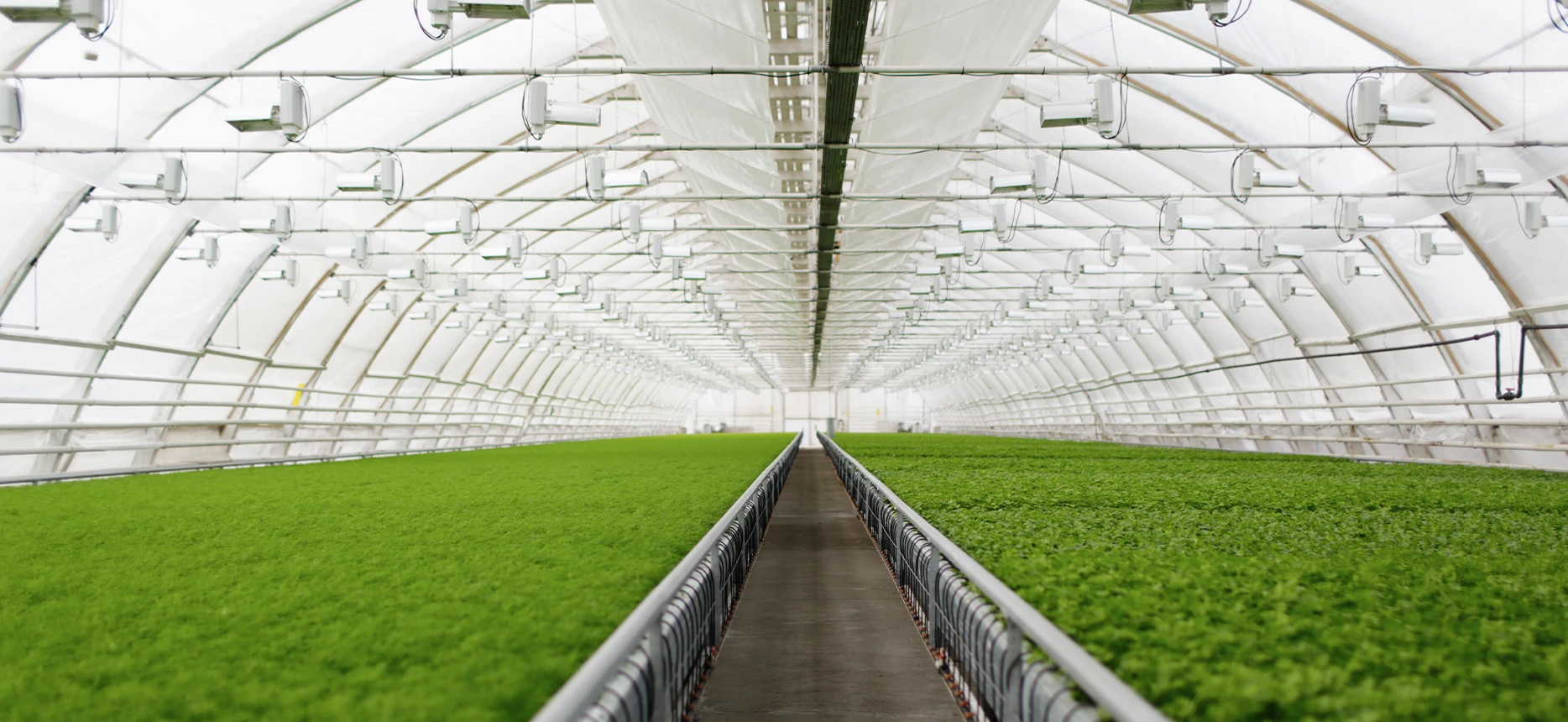
ApplicationHydroponics GardeningGrowing Mediums Gardening &Horticulture Hydroponics&Aquaponics Agricultur al&Greenhouse
-

-
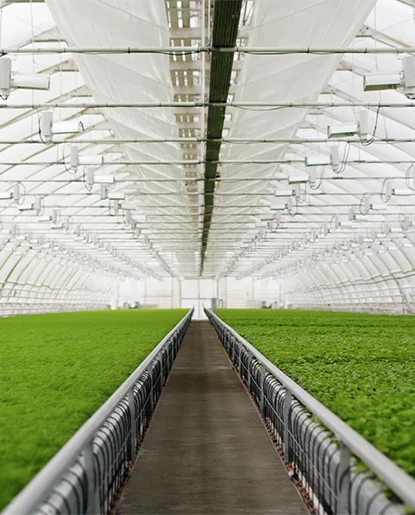
ApplicationHydroponics GardeningGrowing Mediums Gardening &Horticulture Hydroponics&Aquaponics Agricultur al&Greenhouse
 Industrial
Minerals
Industrial
Minerals
 Hydroponics
Gardening
Hydroponics
Gardening